


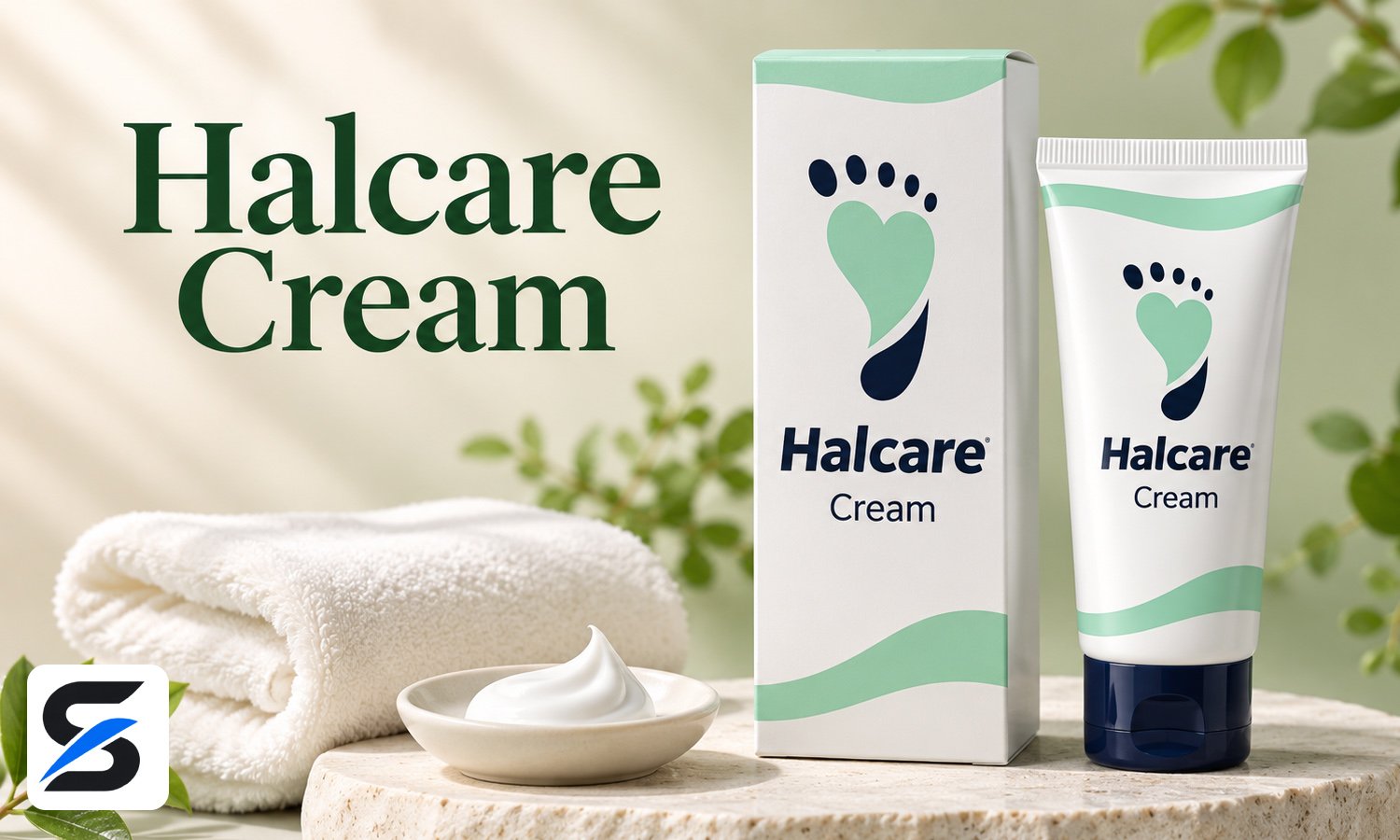
Halcare Cream is the kind of product many people pick up when their skin feels irritated, dry or simply unhappy. You squeeze a little onto your fingertip, spread it over the patch and hope for calm. Yet the small tube in your hand deserves a closer look before it earns a place in your bathroom cabinet.
This guide explains what you need to know about Halcare Cream, from reading the label and applying it correctly to spotting side effects and knowing when to call a professional. Think of it as a calm chat with a well-informed friend who wants your skin to feel better and your routine to stay safe.
What Is Halcare Cream?
Halcare Cream is a topical product, which means you apply it directly to the skin rather than swallowing it. Creams like this sit between lighter lotions and heavier ointments. They contain a balance of water and oil, so they spread easily and soak in without leaving a greasy film.
The exact formula depends on the manufacturer and the pack you buy. Some creams in this category focus on soothing and moisturising, while others contain active ingredients intended for specific skin concerns. Your tube’s label is the most trustworthy guide to what is inside, so read it before the first use.
Pharmacists often remind customers that two creams with similar names can behave very differently. A gentle moisturiser and a medicated cream may share a shelf, but they do not share the same rules. Checking the ingredient list, the strength and the directions takes two minutes and prevents a great deal of trouble.
If your pack came with a leaflet, keep it. That folded paper holds the details the manufacturer wants you to have, including who should avoid the product and how long you may use it.
Why People Reach for a Topical Cream
Picture Maya, a primary school teacher who washes her hands thirty times a day. By January, the backs of her hands feel tight and rough, and a stubborn red patch itches during every lesson. She buys a tube of cream on her way home, hoping it will quiet the problem by the weekend.
Maya’s story is common. Cold weather, frequent washing, new detergents, stress and long hours in dry air can all push skin out of balance. A good cream gives the skin barrier support while it recovers, and that outer layer does a lot of quiet work every day. It keeps moisture in and irritants out.
When the barrier weakens, skin can become dry, flaky, red or itchy. Conditions such as dermatitis involve inflamed skin and show up in many forms, from mild dryness to patches that crack and sting. A cream will not suit every one of these situations, which is why the details matter.
Maya learned this the practical way. Her first tube helped for a few days, then her skin flared again. A short visit to the pharmacist revealed that her hand soap was part of the problem, and a small change in routine did more than any cream alone.
How to Read the Label Before You Buy
A label tells you more than the front of the box ever will. Start with the active ingredients, if any are listed, and then scan the full ingredient list for anything you know irritates your skin. Fragrance, certain preservatives and some plant extracts cause reactions in sensitive people.
Next, look at the directions. Good labels explain how much to use, how often to apply the cream and for how many days. They also state whether the product is safe for the face, for broken skin or for children. If the label stays silent on these points, ask a pharmacist.
Check the expiry date and the batch number as well. Creams lose stability with time, and an expired tube may separate, smell odd or feel gritty. A sealed tube from a reputable pharmacy is always a safer choice than a bargain from an unknown seller.
Here is a quick checklist to carry in your head at the shop:
- The name and strength match what you intended to buy.
- The seal is intact and the expiry date is well ahead.
- The directions say how often and how long to use it.
- The warnings list matches your own health situation.
- The seller is a licensed pharmacy or trusted retailer.
How to Apply Halcare Cream Step by Step
Good technique makes any cream work better. Most skin care professionals teach a simple routine, and it applies neatly to Halcare Cream as long as your label does not say otherwise.
- Wash your hands with mild soap and dry them well.
- Gently clean the affected area with lukewarm water and pat it dry with a clean towel.
- Squeeze a small amount onto your fingertip.
- Spread a thin, even layer over the area and rub it in softly.
- Wash your hands again, unless the treated area is your hands.
- Close the cap straight away to keep the contents clean.
Less is more with most creams. A thin layer absorbs well, while a thick layer sits on top and wastes the product. A fingertip unit, which is the amount that covers the tip of an adult index finger, treats an area roughly the size of two adult palms.
Patch testing is a wise habit for any new product. Apply a pea-sized amount to a small area of the inner forearm, wait twenty-four hours and watch for redness, swelling or itching. If the skin stays calm, you can use the cream with more confidence.
Never apply the cream near your eyes, mouth or inside your nose unless the label clearly allows it. If it lands there by accident, rinse thoroughly with clean water.
Possible Benefits of Using a Topical Cream
The main benefit of a cream like this is comfort. When the skin feels soft, cool and supple, you stop scratching, sleep better and concentrate more easily. That relief is real, even when the cause behind the dryness needs separate attention.
A cream can also protect the skin barrier. A light seal on the surface reduces water loss and shields the area from wind, soap and friction. Many people notice that their skin looks smoother within a few days of regular, gentle care.
Targeted application is another advantage. Because the product stays on the skin, you treat the trouble spot directly instead of exposing the whole body to a medicine. This is the reason doctors often prefer topical treatments for localised skin concerns.
If your product contains a corticosteroid, it may also calm redness and swelling. These ingredients are powerful, so they come with stricter rules about strength, area and duration. Always follow the instructions on the pack or from your doctor.
Side Effects and Precautions
Most people tolerate topical creams well, yet side effects can occur. The most common ones appear right where you apply the product. They include mild burning, stinging, dryness, redness or a feeling of tightness.
Allergic reactions are less common but more serious. Warning signs include spreading rash, swelling, blistering, hives or intense itching that gets worse after each application. If any of these appear, stop using the cream, wash the area gently and speak to a doctor or pharmacist promptly.
Long-term or heavy use of some medicated creams can thin the skin, cause stretch marks or make small blood vessels more visible. For this reason, you should never stretch a course beyond the time stated on the label without professional advice.
Avoid applying the cream to open wounds, infected skin or sunburn unless a healthcare professional has said it is fine. Covering the area with tight bandages can also increase absorption, so skip that step unless you have been told to do it.
Keep a simple note on your phone with the date you started the cream and any changes you see. It sounds fussy, but this small record helps a doctor understand what happened if problems arise.
Who Should Take Extra Care
Some groups need to be more careful with any topical product. Children have thinner skin and absorb more through it, so adult creams are not automatically safe for them. Check the age guidance on the label and ask a pharmacist before using the product on a child.
Pregnant and breastfeeding women should speak to a doctor before using new creams, especially medicated ones. Doctors can suggest safer options and tell you which areas to avoid. The same applies if you take regular medication or have a long-term condition such as diabetes or liver disease.
People with very sensitive skin, a history of allergies or conditions like eczema should patch test every new product. Their skin reacts faster, and a calm test saves them from a week of irritation.
Older adults also deserve a mention. Mature skin tends to be thinner and drier, which means it heals more slowly and reacts more strongly to harsh ingredients. Gentle products and shorter treatment times usually serve this group best.
Common Mistakes to Avoid
The biggest mistake is using too much. A thick layer does not work faster, and it raises the risk of irritation. Stick to a thin film and follow the frequency on the label.
The second mistake is sharing creams. A tube that helped your friend may not suit your skin, and dipping fingers into a jar spreads bacteria between users. Buy your own tube and keep it for your own use.
Many people also stop too early or carry on for too long. Some stop the moment the redness fades and see it return, while others keep applying for weeks without a plan. The label or your doctor will tell you the right length of time, so follow it closely.
A final mistake is ignoring the cause. Hot showers, harsh soaps, scratchy fabrics and dry indoor air can undo the benefit of any cream. Tackle these triggers as well, and your skin will thank you for it.
Storage and Everyday Skin Care Habits
Store your cream in a cool, dry place away from direct sunlight. A bathroom cabinet is convenient, yet steamy showers can warm the tube, so a bedroom drawer is sometimes a better spot. Keep it well out of reach of children and pets.
Replace the cap firmly after each use and wipe the nozzle if it feels sticky. If the colour, smell or texture changes, throw the tube away and buy a fresh one. A discarded cream costs far less than a skin reaction.
Healthy habits support everything a cream does. Use lukewarm water, pat your skin dry instead of rubbing, and apply moisturiser within minutes of washing. Choose fragrance-free soaps and wear soft, breathable fabrics such as cotton.
Drinking enough water, eating a balanced diet and sleeping well also play a part. You can find more everyday guidance in the health section of Size Magazine, which covers practical topics for readers who want to look after their bodies.
When to See a Doctor
A cream is a helpful first step, not a cure for everything. If your skin does not improve within the time stated on the pack, book an appointment. Persistent symptoms can point to something that needs a different treatment.
Seek help quickly if you notice signs of infection, such as pus, spreading redness, warmth, fever or increasing pain. The same goes for swelling of the face or lips, trouble breathing or a rash that spreads fast. These signs need urgent medical attention.
A dermatologist can identify the cause of stubborn skin problems, run tests if needed and suggest options that fit your lifestyle. For more articles on staying well, browse the wellness pages on the same site.
Conclusion
Halcare Cream can be a useful part of a simple skin routine when you choose it carefully and use it with attention. Read the label, patch test, apply a thin layer and follow the directions for how often and how long. Those small steps do more for your skin than any promise on the box.
Remember Maya and her sore hands. The cream helped, but real progress came when she understood her triggers and adjusted her daily habits. Your skin works the same way, rewarding patience, gentle care and sensible advice.
When in doubt, ask a pharmacist or doctor. They know your health history, they can read the ingredients with a trained eye and they will point you towards the safest choice. Healthy skin is a long game, and good decisions today make it easier to win.
