


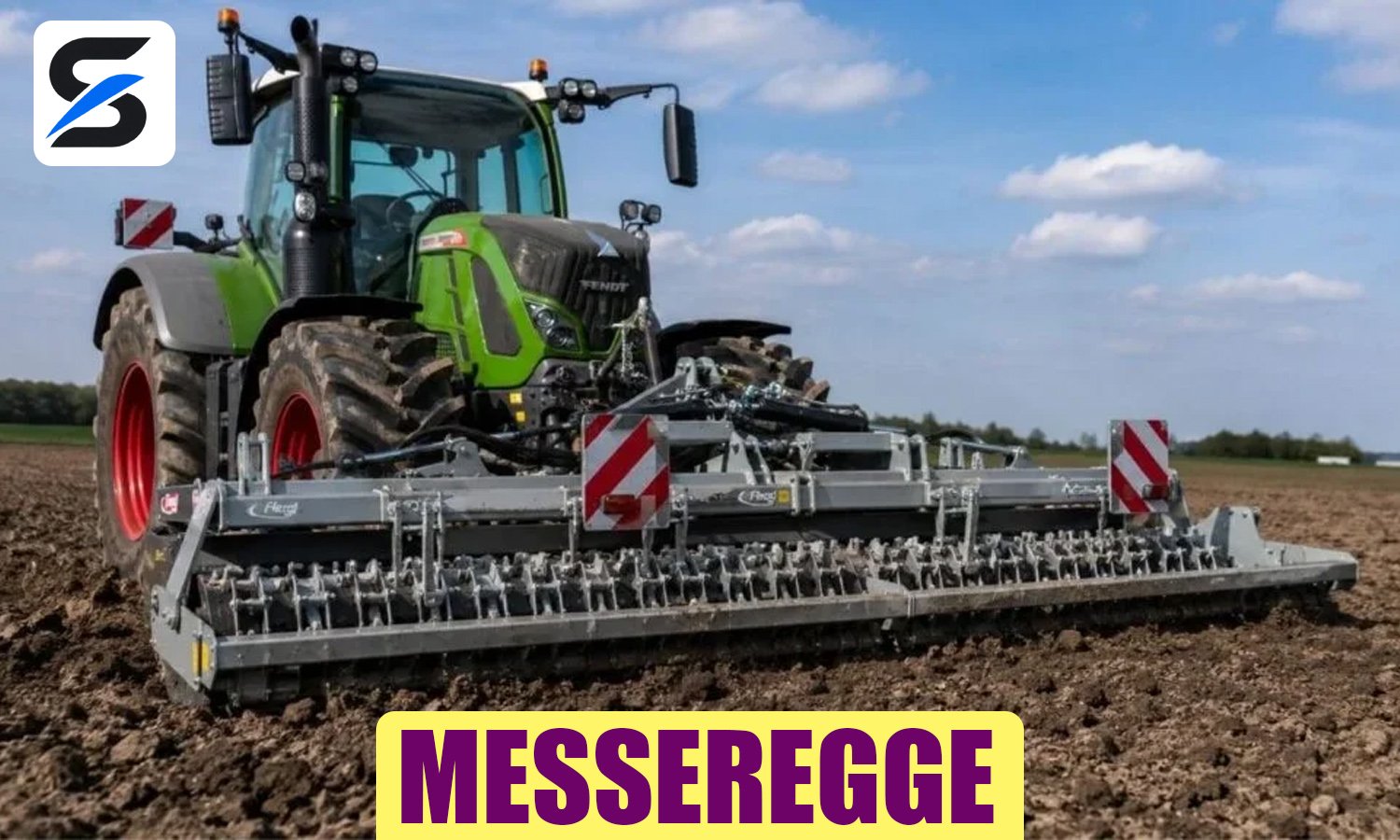
Messeregge is a German word that joins Messer, meaning knife, with Egge, meaning harrow. Together they point to a harrow whose working parts cut and slice the soil instead of only scraping across it. You will rarely see the term in English guides, which is why many beginners meet it with a blank look.
This guide explains the idea from the ground up. You will learn how a knife-style harrow works, how it differs from other harrows, where it earns its place on the farm, and how to choose, set up and look after one. Each section is short, so you can read straight through or jump to the part you need.
What Messeregge Means
The word splits cleanly into two parts. Messer is the everyday German word for a knife, and Egge is the traditional name for a harrow, the farm tool that drags behind a tractor or a horse to smooth and loosen the top layer of soil.
A Messeregge therefore suggests a harrow with blade-like working parts. Instead of blunt spikes that tear the ground, the blades slice through crust, cut weed roots and chop light crop residue.
German farming vocabulary often builds names this way. Speakers join two simple words to describe a tool by its most important feature. English does the same with words such as “toothbrush” or “bookshelf”. Once you see the pattern, the term stops sounding mysterious.
Because the word is a descriptive compound and not a protected brand, you may meet it in different forms. Some farmers use it for a flat-blade weeder harrow, while others use it for a cutting bar fitted behind a cultivator. What unites them is the idea of cutting first and levelling second.
A Short Story from the Field
Picture a farmer named Jonas on a cool April morning. His field of spring barley had formed a hard crust after a week of rain followed by dry wind. Seedlings pushed against that crust, and some gave up. Weeds had already started to green the gaps between the rows.
Jonas hitched a knife-type harrow to his tractor and drove across the field at a slow, steady pace. The blades lifted the crust in thin ribbons and cut the small weeds just below the surface. Behind him, the soil looked loose, dark and even.
Two days later, the barley stood taller. The weeds lay wilted in the sun. Jonas had used no spray and no second pass. One careful trip with the right tool had solved both problems.
The scene is an illustration, yet it captures why farmers value cutting harrows. The tool responds to the condition of the field on the day, instead of forcing one fixed routine onto every plot. That flexibility sits at the heart of good soil management.
How a Knife Harrow Works
A harrow works only the top few centimetres of soil. A plough turns the ground over deeply, while a harrow finishes the job gently, preparing a surface where seeds can settle and roots can grow.
On a knife-style harrow, flat blades or knife-shaped tines hang from a frame. Each blade sits at a set angle, so it slides into the soil and cuts instead of pulling. The angle matters a great deal, because a steeper blade bites deeper and a flatter one skims.
As the frame moves forward, the blades cut thin weed seedlings at the root and lift the soil crust. Lumps break into smaller crumbs, and the loosened soil falls back into a level layer. Air then reaches the root zone, and water soaks in more easily after rain.
Most designs let the frame float, so each section follows the ground’s contours. A rigid frame would dig too deep on a rise and skip a hollow. Floating sections, or springs that press each tine down with steady force, keep the working depth even across the field.
Speed changes the result. A slow pass cuts cleanly and moves little soil. A faster pass throws more soil sideways and can bury small crop plants. Experienced drivers learn the right pace for each crop and each stage of growth.
Main Types of Harrows Compared
Farmers have used harrows for centuries, and the family now includes many designs. The harrow entry on Wikipedia gives a wider history, and the short list below shows where a knife-style tool fits among the common types.
Spike-tooth harrows use rigid pointed teeth to scratch and level the surface. They are simple and cheap, but they tear more than they cut, and they struggle with heavy crust.
Spring-tooth harrows carry curved, flexible tines that vibrate as they move. The vibration breaks clods well, and the springs let the tines pass over stones without damage.
Disc harrows use rows of round steel discs that cut and turn the soil. They handle crop residue and heavy ground, though they cost more and need more tractor power.
Chain and tine harrows drag light tines or linked chains across a field. They suit grassland and young crops, where a gentle touch matters more than depth.
A knife-style harrow sits between the light tine harrow and the heavier disc. It cuts cleanly, works shallow and fits crops that cannot take rough treatment.
Where Farmers Use It
The most common use is seedbed preparation. After ploughing or cultivating, the ground still has ridges and lumps. A cutting harrow smooths the surface, so the drill places seed at an even depth. Better seed placement leads to even germination and a more uniform crop.
Weed control is the second big job. Young weeds with shallow roots fall quickly to a pass at the right moment. Organic growers value this the most, because they rely on mechanical methods instead of herbicides. The tillage overview on Wikipedia explains how such methods fit into wider soil preparation.
Cereals, maize and potatoes all respond well to timely harrowing. Farmers often work across the rows in the early stages, when the crop is still small and the blades can pass without harm. Later passes need more care and a higher clearance.
Grassland farmers use similar tools in spring. A light pass spreads dung, pulls out moss and opens the sward to air and light. Growers often report thicker grass a few weeks later.
Gardeners and small-scale growers also gain from compact versions, especially behind a small tractor or walking unit. The same principle applies at any size: cut the weeds young and keep the surface open.
Benefits and Limits
The first benefit is soil structure. Shallow cutting loosens the surface without turning up damp soil from below, which protects the moisture and the life already living in the top layer.
The second benefit is cost. One pass can level the seedbed and remove weeds together, which saves fuel, time and labour. Fewer passes also mean less compaction from tractor wheels.
The third benefit is reduced chemical use. Mechanical weeding gives growers one more option when they want to limit sprays, and it helps them manage resistant weeds that survive some herbicides.
Limits exist, and honest buyers weigh them. Blades dull with use, particularly in stony or sandy soil. Wet, sticky ground clogs the tool and smears instead of cutting. Large, established weeds also survive a pass, so timing decides the outcome.
A knife-style harrow also cannot replace deep tillage. When a field has a compacted layer far below the surface, a harrow will never reach it. Treat the tool as a finishing partner, not a cure for every soil problem.
How to Choose One
Start with your tractor. The working width must match the power you have, or the tractor will labour and burn extra fuel. Check the manufacturer’s guidance for the recommended horsepower per metre of width.
Next, think about your soil and crops. Light, sandy ground needs less aggression than heavy clay. If you grow row crops, check that the spacing and clearance suit your rows. If you mostly work grassland, a lighter frame may serve you better.
Look closely at the blades. Good steel holds an edge longer and resists bending. Ask whether you can replace single blades or must change a whole section. Easy replacement saves money over several seasons.
Adjustability deserves attention too. You want to change the blade angle and the working depth without a workshop. Folding frames help on narrow roads and in small yards, since they shrink the transport width.
Finally, consider support. A supplier who stocks spare parts and answers questions quickly matters more than a small saving on price. If you buy used, inspect the frame for cracks, the hinges for wear and the blades for deep rust before you pay.
Setting It Up and Using It Well
Begin with the field’s condition. Soil that is slightly damp but crumbles in your hand works best. Soil that forms a sticky ball will smear, and soil that is bone dry may blow away or break the tool’s edges.
Set the depth first. For weeding, a shallow setting of one to three centimetres usually cuts young weeds without disturbing the crop. For seedbed work, you may go a little deeper. Make a short test run, then check the result and adjust.
Drive at a steady, moderate pace. Rushing creates uneven results and throws soil onto small plants. Overlap each pass slightly so no strips remain uncut, and keep your lines straight to avoid gaps.
Watch the weather. A dry, breezy day after a pass dries cut weeds quickly, so they do not take root again. A wet spell can let them recover, so plan your passes with the forecast in mind.
Walk the field after the first pass and look at the surface. You should see loose, even soil and wilting weeds. If you see big clods, slow down or slow the blade angle. If you see exposed crop roots, lift the depth at once.
Care and Safety
Clean the tool after each job. Soil left on steel holds moisture and invites rust. A quick wash and a dry-off take a few minutes and add years to the harrow’s life.
Check every bolt, pin and hinge before the season starts and again after heavy use. Vibration loosens fittings slowly. Replace worn parts early, since one failed hinge can damage a whole section.
Sharpen or replace blades when the edge rounds over. A dull blade pulls and tears, which defeats the purpose of cutting. Light oil on moving joints and on bare steel also keeps rust away over winter.
Safety deserves the same attention as maintenance. Lower the harrow to the ground, switch off the engine and remove the key before any adjustment. Use transport locks on folding frames, and keep bystanders well clear, because blades stay sharp even when the tool stands still.
Long days on a tractor also affect the body. Good posture, hearing protection and regular water breaks help you stay healthy through a busy season, and simple lifestyle habits such as stretching and proper rest keep your back ready for the next job. Store the tool under cover, with the blades protected, so it is ready when the next spring arrives.
Conclusion
Messeregge describes a simple but useful idea: a harrow that cuts. By slicing through crust and young weeds, a knife-style harrow prepares a clean seedbed and protects young crops, often in a single pass. It does not replace deep tillage, yet it does the finishing work very well.
The best results come from good choices and steady habits. Match the width to your tractor, pick durable blades, set the depth with care and choose the right moment in the field. Add regular cleaning and sharpening, and the tool will serve you for many seasons.
If you are new to the subject, start small. Try a test strip, watch how the soil responds and build your skill from there. Like Jonas in his barley field, you will soon learn to read the ground and let the tool do its quiet work.
