


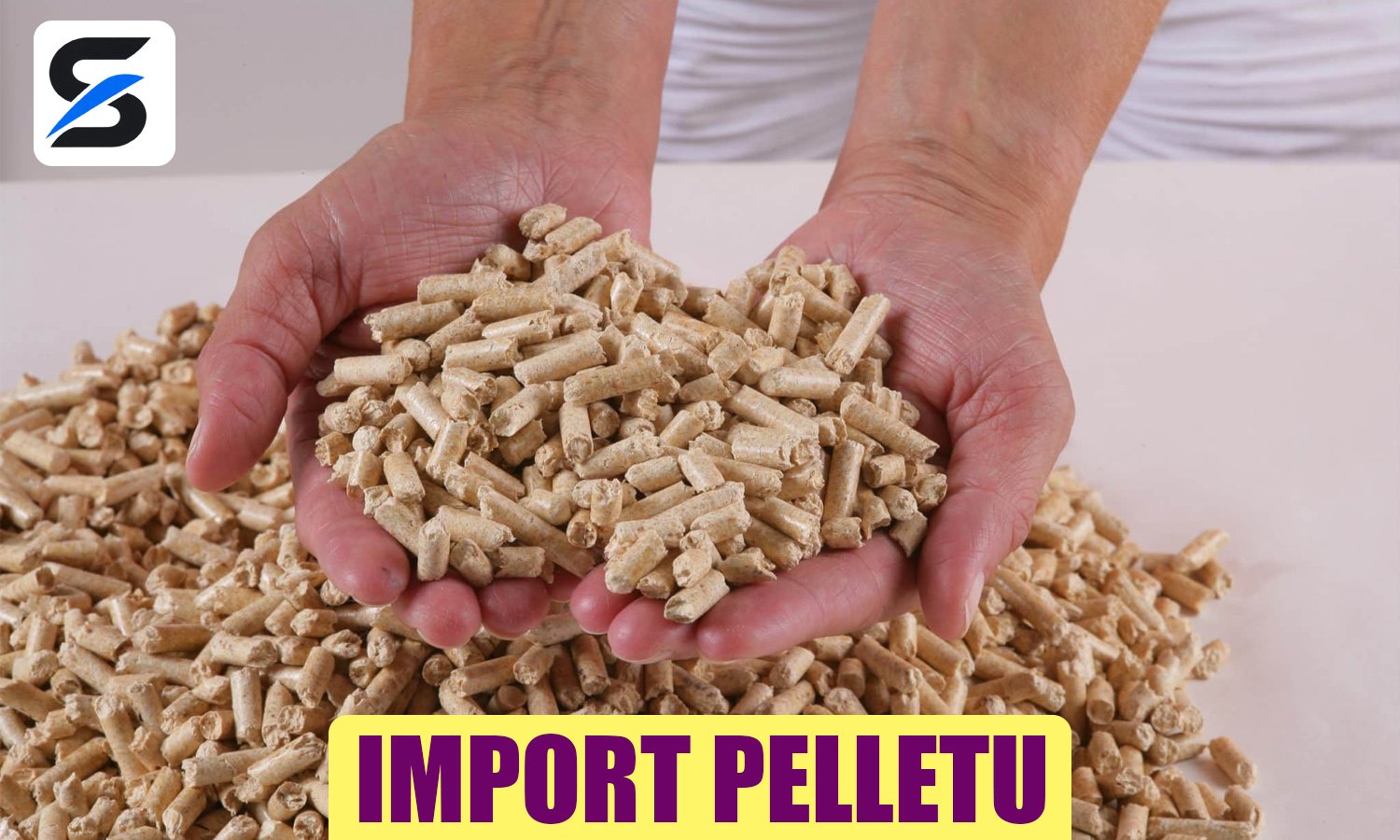
Import pelletu sounds like a simple idea: find cheaper wood pellets abroad, ship them home, and fill the boiler for winter. Tomasz, a homeowner near Poznań, thought exactly that when local prices jumped one autumn. He found a tempting offer from a trader in another country, paid a deposit, and waited. The pellets arrived three weeks late, crumbled into dust in the bag, and clogged his burner within a month.
His story is common, and it is avoidable. Importing pellets can save money, secure supply during shortages, and give you access to premium fuel. It can also cost you dearly if you skip the checks. This guide walks you through the whole process, from supplier selection to storage, so you can decide with clear eyes.
What Import Pelletu Really Means
Import pelletu means buying wood pellets from a producer or trader in another country and bringing them into your own. Buyers range from households that need a few tonnes to heating plants that order whole shiploads. The product is the same in each case: compressed sawdust and wood residues, pressed into small cylinders that burn cleanly in automatic boilers and stoves.
Most imports fall under customs code 4401 31, the heading for wood pellets. That code matters because it determines your paperwork and any duties that apply. Within the European Union, trade between member states moves freely. Pellets from outside the EU face extra checks.
Pellets are a form of biomass fuel, which means they come from recently living plant material rather than fossil deposits. This origin explains why governments encourage their use and why quality standards matter so much. A good pellet burns hot and leaves little ash. A poor one smokes, sparks, and damages equipment.
You can import in several ways. Some buyers order directly from a foreign producer. Others use a local importer who handles shipping, customs, and delivery. The second route costs a little more per tonne but removes most of the risk.
Why Buyers Look Abroad for Pellets
Supply drives most decisions. In Poland, producers make roughly two million tonnes of pellets each year, yet demand grows faster than output. When winter approaches, stocks tighten and prices climb. Importers step in to fill the gap.
Price swings explain the rest. Sellers say that imports from countries such as Germany or Belgium usually start when domestic shortages appear and prices spike. Once local supply recovers, the price advantage often shrinks. Import works best as a short window of opportunity rather than a permanent plan.
Quality also attracts buyers. Some foreign producers specialise in certified premium pellets and export them at scale. If your local suppliers offer only mid-grade fuel, a certified import may serve your boiler better.
Finally, many buyers want to spread risk. Relying on one regional supplier leaves you exposed to local shortages, transport strikes, and sudden price rises. A second source abroad gives you options.
Where Imported Pellets Come From
The map of pellet trade keeps changing. Poland imported about 356,600 tonnes of wood pellets in 2025, according to a trade report from GTAIC. The main suppliers were Ukraine, Estonia, Germany, and Lithuania. These countries sit close by, which keeps transport costs low and delivery times short.
Distant suppliers have started to appear as well. Between September 2025 and August 2026, pellet imports from Vietnam reached about 47,800 tonnes, worth roughly 10 million dollars. That figure gave Vietnam around 7 per cent of Polish import value in the first eight months of 2026. Vietnam is one of the largest pellet exporters in the world, selling about six million tonnes abroad in 2024.
Brazil plays a role too. In the first half of 2025, Brazilian producers supplied around 261,000 tonnes of pellets to the European Union, about 12 per cent of non-EU imports in that comparison. Several Brazilian exporters hold premium certification, which makes their product acceptable to European buyers.
Distance changes the maths. A cheap pellet at the factory gate can still compete after a long sea voyage, but only when the producer price is low enough. For a household, nearby European suppliers usually offer the best balance of price, speed, and reliability.
Quality Checks That Protect Your Boiler
Quality decides whether an import saves money or wastes it. The most trusted mark in Europe is the ENplus A1 certificate. It sets limits on ash content, moisture, durability, and energy value. For A1 pellets, ash stays at or below 0.7 per cent and moisture below 10 per cent.
A certificate alone does not guarantee a good delivery. Check that the certificate number belongs to the actual producer or trader and that the batch you receive matches it. Ask for the origin of the pellets, and look for the country and producer printed on the bag.
Inspect the fuel when it arrives. Good pellets look smooth and shiny, snap cleanly, and produce little dust at the bottom of the bag. Dull, crumbly pellets with lots of fines suggest poor pressing or damp storage.
Poor fuel punishes your equipment. Pellets with high ash can foul the burner, and weak pellets can wear out the feeder screw. Repair bills often exceed whatever you saved on the price per tonne. Test a small amount first, and order the full quantity only after your boiler runs smoothly on it.
The True Cost of Importing Pellets
The price per tonne tells only part of the story. Transport often forms the biggest extra cost, especially for long distances or small orders. Road freight charges by distance and load size, so a half-empty truck costs far more per tonne than a full one.
Add the other items to your calculation. These usually include customs clearance fees, import duties for non-EU origins, value added tax, insurance, port handling, and the final delivery to your door. Currency exchange rates can add or remove several per cent from the total.
Timing also affects cost. Buying in summer, before the heating season, often gives better prices than buying in the middle of winter. Group buying helps too. Neighbours who order together can fill a truck and split the freight bill.
Compare offers by the total landed cost per tonne, not by the headline price. Write every item on a simple sheet and add them up. A cheap quote that hides fees can turn out more expensive than a local offer.
The Import Process, Step by Step
Start by defining your needs. Decide how many tonnes you require, which grade you want, and whether you prefer bags or bulk delivery. Small buyers often choose 15 kg bags on pallets, while larger buyers order one-tonne bulk bags or loose loads.
Next, shortlist suppliers. Check their certification, ask for samples, and read reviews from other buyers. Trustworthy sellers answer questions openly and share documents without delay.
Then agree on the terms in writing. The contract should state the quantity, grade, price, delivery date, delivery place, and payment method. It should also say who pays for transport and insurance, and who carries the risk if the cargo is damaged or delayed.
Prepare the paperwork. You will usually need a commercial invoice, a packing list, and a transport document. For non-EU origins, you also need customs declarations and possibly proof of origin. A customs agent can handle this for a modest fee, and for first-time importers the fee is money well spent.
Finally, inspect the cargo on delivery. Note any damage on the delivery document before you sign. Photograph the bags, and keep a sample from each pallet in case a dispute arises.
Storage and Delivery Tips
Pellets hate moisture. A damp pellet swells, breaks apart, and turns back into sawdust. Store your delivery in a dry, ventilated room, off the floor, and away from walls that sweat in cold weather.
Keep the bags sealed until you need them. Stack pallets so that air can move around them, and avoid placing them near water pipes or outdoor doors. If you store loose pellets in a silo, make sure the roof and seals keep out rain.
Mind your health and safety as well. Wood pellets can release carbon monoxide in tightly closed storage rooms, so ventilate the space and never work inside a closed bin without fresh air. Good daily habits at home matter too, and you can find more practical tips in the health section of Size Magazine.
Plan your delivery date well before the cold arrives. Roads can freeze, trucks can break down, and ports can slow down. A delivery that arrives early gives you a safety margin, while a late one can leave you cold.
Common Mistakes to Avoid
The first mistake is paying everything in advance to an unknown seller. Fraudulent offers appear every season, usually with prices that look too good to be true. Pay a small deposit, use traceable payment methods, and release the balance only after you receive and check the goods.
The second mistake is ignoring the certificate. Some sellers print a mark on the bag without holding a valid licence. Verify the number in the official certification database before you commit.
The third mistake is chasing the lowest price. Cheap pellets often contain bark, dust, or glue residues, which raise ash and harm your equipment. Your boiler manual may also list approved fuels, and using something else can void your warranty.
The fourth mistake is forgetting your own capacity. Ordering more than you can store invites moisture damage. Ordering too little forces a second delivery at a worse price. Calculate your yearly use, then buy a sensible share of it.
Finally, avoid last-minute decisions. Panic buying in a cold snap hands all the power to the seller. A plan made in summer saves money and stress.
Smart Buying Tips for Beginners
Begin with a trial order. Buy one tonne from a new supplier, burn it, and watch how your boiler behaves. Check the ash pan, the burner flame, and the amount of dust left in the hopper.
Keep records of every purchase. Write down the supplier, batch number, price, and delivery date. If a problem appears later, these notes support your claim.
Build relationships with reliable importers. A supplier who knows you will often give priority during shortages and offer fair prices in return for repeat business.
Watch the market through the year. Prices move with weather, energy costs, and supply news. The research behind this, including how wood pellets are made and traded, helps you read those signals and buy at a calmer moment.
Finally, keep an open mind about local options. Import offers real value in the right moment, but a trusted domestic supplier may still beat it when the market is stable.
Conclusion
Import pelletu can protect your household or business from shortages and give you access to certified fuel. It rewards buyers who plan ahead, compare the full landed cost, and verify every claim before they pay.
Tomasz learned this the hard way. The next winter, he ordered a trial tonne in summer, checked the certificate, and bought the rest from a supplier who proved reliable. His boiler ran smoothly, and his budget stayed intact. You can follow the same path with a little preparation and a healthy dose of caution.
